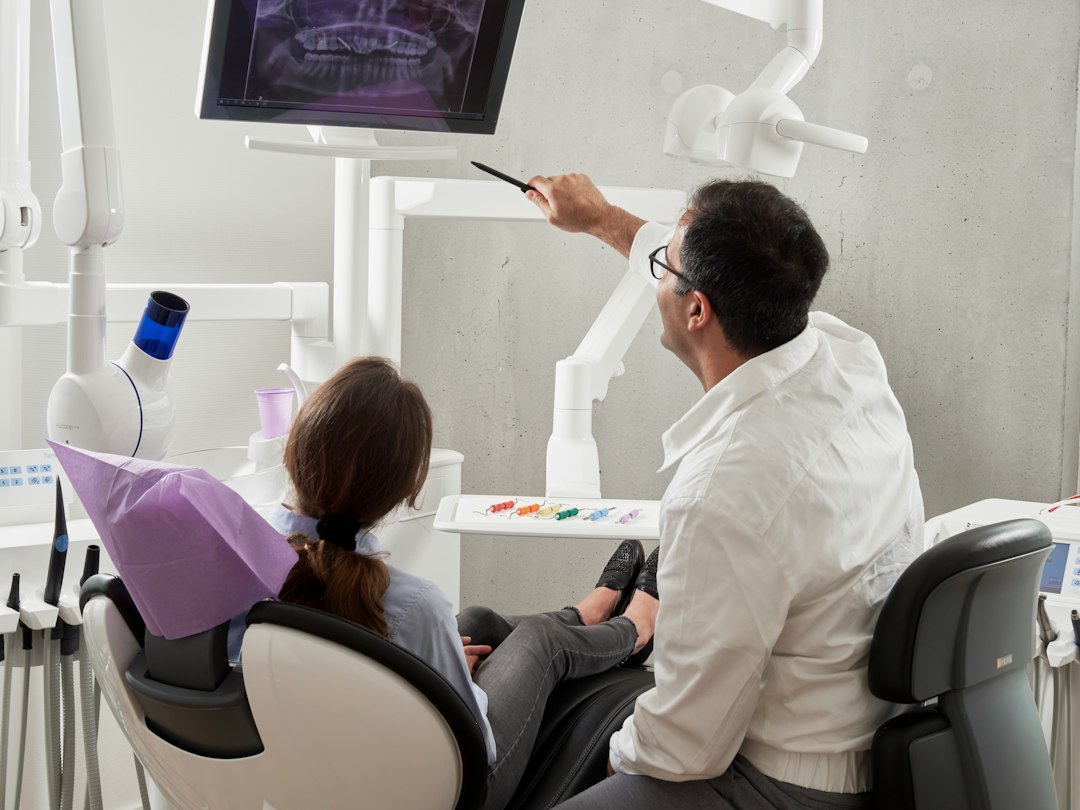
Welcome to our blog post, where we delve into the world of dentistry and explore the essential software tools that can streamline workflow and enhance efficiency in dental practices. As technology continues to evolve, dentists are finding innovative ways to leverage software solutions, empowering them to provide high-quality care to their patients while managing administrative tasks more effectively.
Running a dental practice involves various aspects, from appointment scheduling and patient management to diagnosis and treatment planning. With the right software tools, dentists can optimize their practice management, allowing for improved patient services and increased productivity. In this article, we will highlight some of the key areas where software solutions have revolutionized the way dentists operate.
One of the most significant advantages of digital imaging is its ability to enhance diagnosis and treatment planning for dentists. Traditionally, dentists relied on analog X-rays and physical models to evaluate dental conditions. However, with advanced software applications, dental professionals can now capture high-resolution digital images, which can be instantly accessed and analyzed. This not only saves time but also provides a more accurate and in-depth understanding of patient conditions.
Efficient billing and insurance claim processing are crucial for dental practices. Traditionally, these tasks were handled manually, often leading to errors and delays. However, with dental practice management software, dentists can automate billing processes and generate accurate insurance claims with just a few clicks. This not only streamlines the administrative tasks but also increases revenue by minimizing errors and reducing claim rejections.
Another area where software tools have transformed dental practices is dental charting. In the past, dentists would manually record patient information and treatment details on paper charts, which could be cumbersome and time-consuming. With electronic health record systems, dentists can easily record, update, and access patient data digitally. This simplifies record-keeping, improves accuracy, and enhances overall patient care.
With the recent advancements in telecommunication technology, dentists can now leverage software tools to enhance dental consultations and improve communication with their patients. Through virtual consultations, dentists can remotely assess and diagnose certain dental conditions, reducing the need for unnecessary in-person visits. Additionally, software solutions enable dentists to connect with patients through secure messaging platforms, improving communication and patient satisfaction.
The digital era has ushered in a new wave of software tools that are revolutionizing dental practices and empowering dentists to provide efficient and high-quality care. From practice management software and digital imaging to streamlined billing processes and enhanced patient communication, these tools are essential for today’s dental professionals. Join us in exploring the various software solutions that can transform your dental practice and take it to new heights of success.
Streamlining Dental Workflow: How Dentists Can Benefit from Software Tools
In today’s technologically advanced world, software tools have become an indispensable part of various industries, including dentistry. The best dentists are now leveraging the power of software tools to streamline their workflow, boost efficiency, and improve patient care. By embracing these innovative solutions, dental practices can benefit in numerous ways.
One of the key advantages of using software tools is that they facilitate efficient appointment scheduling and patient management. With intuitive scheduling software, dentists can easily manage their appointments, ensuring optimal time utilization and reducing the risk of overbooking or double-booking. This not only enhances the overall patient experience but also minimizes wait times, improving the efficiency of the dental practice.
Another area where software tools prove invaluable is in digital imaging. By utilizing advanced imaging software, dentists can capture high-quality digital X-rays and intraoral images, enabling them to make more accurate diagnoses and create detailed treatment plans. This not only enhances the precision of dental procedures but also allows for better patient education and communication, resulting in increased treatment acceptance rates.
Efficient billing and insurance claim processing are also crucial aspects of a dental practice. Dental software tools designed for billing and claims management automate the process, reducing paperwork, preventing errors, and ensuring timely reimbursement. With these tools, dentists can easily generate and submit claims, track their status, and manage patients’ billing details seamlessly.
Adopting electronic health record (EHR) software is another way dentists can streamline their workflow. EHR systems not only provide a digital platform for recording and accessing patient information but also enable dentists to efficiently manage dental charting. By digitally documenting treatment plans, progress notes, and patient communications, dentists can improve accuracy, accessibility, and organization of patient records, ultimately enhancing the quality of dental care.
Last but not least, software tools have played a vital role in enhancing dental consultations and communication with patients. With the advent of telecommunication software, dentists can now offer virtual consultations, allowing them to assess and provide initial advice to patients remotely. Additionally, these tools enable secure messaging and video conferencing, making it easier for patients to communicate with their dentists, ask questions, and seek guidance, thereby improving patient satisfaction and engagement.
Dental Practice Management Software: Optimizing Appointment Scheduling and Patient Management
Running a successful dental practice requires efficient management of various tasks, from appointment scheduling to patient record management. The advent of dental practice management software has revolutionized the way dentists organize and streamline these essential processes. With the help of this innovative digital solution, dental practices can optimize their appointment scheduling and patient management, leading to enhanced productivity and improved patient care.
One of the key advantages of dental practice management software is its ability to simplify and automate the appointment scheduling process. With just a few clicks, dentists and their staff can seamlessly manage appointments, efficiently allocate resources, and avoid scheduling conflicts. This ensures that patients receive prompt and convenient appointment slots, minimizing waiting times and improving overall patient experience.
These software tools enable dental practices to maintain comprehensive patient records in a digital format. Gone are the days of relying on physical files and handwritten notes. With robust patient management features, dental practice management software allows dentists to store, retrieve, and update patient information with ease. This includes personal details, medical history, treatment plans, and progress notes, all accessible at the click of a button, ensuring accurate and up-to-date data.
The ability to streamline patient management extends beyond record-keeping. Dental practice management software also facilitates efficient communication between the dental team and patients. Appointment reminders, treatment notifications, and follow-up instructions can be sent electronically, reducing the burden of manual reminders and enabling timely communication. By keeping patients informed and engaged, dental practices can enhance patient satisfaction and reinforce their commitment to quality care.
In addition to appointment scheduling and patient management, dental practice management software often includes features that assist with billing and insurance claims. These tools automate the billing process, enabling accurate and efficient invoicing, claim submission, and payment tracking. By reducing the administrative burden associated with billing, dentists can focus more time and energy on providing excellent dental care.
By adopting dental practice management software, dentists can optimize appointment scheduling, streamline patient management, improve communication, and simplify billing processes. These digital tools offer tremendous value in enhancing the overall efficiency and productivity of dental practices, ensuring a seamless experience for both dental professionals and their patients.
The Power of Digital Imaging: Enhancing Diagnosis and Treatment Planning for Dentists
Digital imaging has revolutionized the field of dentistry, offering dentists powerful tools to enhance diagnosis and treatment planning. With the help of advanced imaging software, dentists can obtain clear and detailed images of patients’ teeth and oral structures. These digital images provide valuable insights that aid in accurate diagnosis and help dentists develop effective treatment plans.
One of the key advantages of digital imaging software is its ability to capture high-resolution images, allowing dentists to examine dental conditions with exceptional clarity. This level of detail enables dentists to detect even the smallest dental issues, such as hairline fractures or hidden cavities, that may not be visible in conventional X-rays. By identifying these problems early on, dentists can intervene promptly, preventing further damage and ultimately preserving the oral health of their patients.
Digital imaging enhances communication between dentists and their patients. Through the use of these software tools, dentists can visually display and explain the dental conditions to their patients, facilitating a better understanding of the diagnosis and treatment options. This visual communication not only improves patient education but also helps patients make informed decisions about their oral health.
In addition to diagnosis, digital imaging plays a crucial role in treatment planning for dentists. By virtually manipulating the digital images, dentists can simulate potential treatment outcomes, allowing them to evaluate different treatment approaches and choose the most appropriate one for each patient. This technology enables dentists to discuss treatment options with their patients, ensuring collaborative decision-making and personalized care.
Digital imaging offers the advantage of seamless integration with other dental software tools, such as dental practice management software and electronic health records. This integration streamlines the workflow for dentists as they can access all patient information, including digital images, from a single software platform. This centralized approach improves efficiency and reduces the risk of errors, ultimately leading to enhanced patient management and improved patient outcomes.
Digital imaging software has transformed the way dentists diagnose and plan treatments. Its ability to provide high-resolution images, facilitate patient communication, aid in treatment planning, and integrate with other software tools makes it an essential resource for efficient dental practices. By harnessing the power of digital imaging, dentists can achieve more accurate diagnoses, develop customized treatment plans, and deliver optimal dental care to their patients.
Simplifying Billing and Insurance Claims: Essential Software Solutions for Dental Practices
Managing billing and insurance claims is an integral part of running a dental practice efficiently. However, the manual and time-consuming nature of these tasks can lead to errors, delayed payments, and a significant loss of productivity. This is where essential software solutions come into play, revolutionizing the way dental practices streamline their billing and insurance processes.
Dental practice management software offers a range of features designed to simplify and automate billing procedures. With just a few clicks, dentists can generate professional invoices, accurately calculate treatment costs, and ensure timely submission of claims. By eliminating manual data entry and paperwork, these software solutions significantly reduce the chances of errors and improve overall efficiency in managing finances.
One key advantage of implementing billing software in dental practices is its ability to integrate with insurance systems. These software solutions enable seamless electronic claim submissions, eliminating the need for paper forms and simplifying the overall claim process. By instantly verifying insurance eligibility and tracking claims, dentists can avoid claim denials and delays, ultimately improving cash flow and patient satisfaction.
Another essential feature of billing software for dental practices is the ability to generate detailed financial reports. Dentists can gain valuable insights into practice performance, monitor outstanding payments, and analyze revenue trends. This data-driven approach allows for more informed decision-making, enabling dentists to optimize their practice’s financial health and profitability.
These software solutions provide secure storage and easy access to patient billing and insurance information. Dentists can maintain organized records, including treatment codes, insurance details, and payment history, all in one centralized platform. This accessibility streamlines the retrieval of patient information during consultations, simplifying the billing process and enhancing patient satisfaction.
By simplifying billing and insurance claims, dental practices can focus more on providing quality patient care. The automation and accuracy offered by these software solutions allow dentists and their staff to save time, reduce administrative burdens, and ensure a smooth workflow. Ultimately, implementing essential software tools for billing and insurance claims is a game-changer for dental practices seeking to enhance their financial management and deliver efficient services to their patients.
Dental Charting Made Easy: Using Electronic Health Records to Enhance Patient Care
Dental charting is an essential aspect of dental care that helps dentists keep accurate and up-to-date records of their patients’ oral health. Traditionally, this process involved manual documentation, which was time-consuming and prone to errors. However, with the advent of electronic health records (EHR) and specialized dental charting software, dentists can now streamline and simplify their charting process, ultimately enhancing patient care.
One of the primary benefits of using electronic health records for dental charting is the convenience and efficiency it offers. Dentists can easily access and update patient records at any time, eliminating the need for paper-based charts and reducing the risk of misplacement or loss of crucial information. With just a few clicks, dentists can input diagnosis details, treatment plans, and progress notes, ensuring comprehensive and accurate documentation.
Another key advantage is the improved legibility and uniformity of electronic dental charts. Illegible handwriting can often lead to misinterpretation and errors in treatment. However, with digital charting, all entries are typed, making them clear and easily understandable. Additionally, standardized templates and dropdown menus in dental software tools ensure consistency and uniformity in charting, resulting in clearer communication among dental professionals.
The integration of dental charting software with digital imaging technology further enhances patient care. Through the software, dentists can annotate and link X-rays, intraoral images, and other diagnostic images directly to the patient’s electronic record. This empowers dentists to visually demonstrate and explain dental conditions and treatment options to patients, improving their understanding and active involvement in their oral health journey.
Utilizing electronic health records for dental charting also facilitates better communication and collaboration between dental professionals. With electronic charting, dentists can easily share patient records and collaborate with dental specialists, dental labs, and insurance providers. This seamless exchange of information enables efficient treatment planning, faster referrals, and smoother insurance claim processing, ultimately benefiting the overall patient experience.
The adoption of electronic health records and specialized dental charting software has revolutionized the way dentists manage and maintain patient records. By simplifying the charting process, improving legibility, integrating imaging technology, and enabling seamless communication, these software tools enhance patient care and contribute to the overall efficiency and effectiveness of dental practices.
Embracing Telecommunication: Enhancing Dental Consultations and Patient Communication with Software Tools
In today’s digital age, the field of dentistry is constantly evolving, and dentists are increasingly relying on innovative software tools to enhance their practice. One significant development in this realm is the integration of telecommunication technologies into dental consultations and patient communication. By embracing telecommunication solutions, dentists can revolutionize the way they interact with patients and streamline the overall dental experience.
One of the key benefits of telecommunication tools in dentistry is the ability to conduct virtual consultations. With the help of video conferencing software, dentists can remotely assess patients’ conditions, discuss treatment options, and provide valuable guidance without the need for in-person visits. This approach not only saves time for both the dentist and the patient but also allows for greater convenience and accessibility, especially for individuals with busy schedules or those living in remote areas.
Telecommunication software can greatly enhance patient communication and engagement. Through secure messaging platforms and patient portals, dentists can easily communicate important information, such as treatment plans, appointment reminders, and post-operative instructions. This seamless and efficient communication helps to foster stronger dentist-patient relationships, ensuring that patients feel supported throughout their oral care journey.
By utilizing telecommunication tools, dental practices can also embrace the advantages of remote monitoring and diagnosis. With the help of digital imaging and intraoral cameras, dentists can capture high-quality visuals of patients’ oral health and share them securely with specialists for collaborative assessments. This not only allows for more accurate diagnoses but also enables dentists to provide timely and informed treatment recommendations.
Telecommunication solutions contribute to the overall improvement of practice management. Through dental software applications, dentists can efficiently manage appointment schedules, track patient records, and securely store and share relevant information. By automating these administrative tasks, dentists can save time and resources, enabling them to focus more on delivering personalized patient care.
Embracing telecommunication technologies and utilizing software tools can significantly enhance dental consultations and patient communication. From virtual consultations to efficient practice management, the integration of telecommunication solutions in dentistry opens new avenues for more effective and patient-centric care. By harnessing these tools, dentists can optimize their practice, improve patient experiences, and stay at the forefront of the ever-evolving field of dentistry.
Conclusion
The utilization of essential software tools in dental practices has undoubtedly revolutionized the way dentists manage their workflow, streamline appointments, enhance diagnostics, simplify billing and insurance claims, maintain accurate dental charting, and improve patient communication through telecommunication.
By incorporating dental practice management software, dentists can optimize their appointment scheduling and patient management, ensuring a smooth and efficient workflow. These tools allow for seamless integration of patient information, treatment plans, and scheduling, allowing dentists to focus more on providing quality care.
The power of digital imaging cannot be overstated, as it enhances diagnosis and treatment planning for dentists. With the ability to capture high-quality images of dental structures and analyze them easily, dentists can make more accurate diagnoses and tailor treatment plans to each patient’s specific needs.
Simplifying billing and insurance claims is critical for dental practices to maintain a healthy financial management system. By utilizing software solutions specifically designed for dental practices, dentists can streamline the billing process, ensuring accurate claim submissions and timely reimbursement.
Dental charting has been greatly simplified with the introduction of electronic health records. Dentists can easily record and access patients’ dental history, treatment plans, and progress, leading to more coordinated and comprehensive oral care. This not only benefits the dentist but also enhances patient safety and improves overall treatment outcomes.
Embracing telecommunication tools allows dentists to enhance dental consultations and patient communication. Through video conferencing, secure messaging, and virtual consultations, dentists can connect with patients remotely, saving time and expanding their reach to patients who may have difficulty accessing dental care.
The use of essential software tools in dental practices significantly improves overall efficiency, patient care, and practice management. Dentists who embrace these tools will undoubtedly experience numerous benefits, allowing them to provide higher quality care and achieve optimal outcomes for their patients.